Horses and Broken Bones
Posted on Oct 18, 2016 7:35am PDT
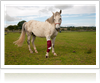
In the past, it was very difficult to treat fractures in horses, and often a broken bone meant the horse had to be euthanized. Fortunately, advances in veterinarian medicine and technology has made it easier to treat horses with fractures and spare their lives.
What are the signs and symptoms of a fracture?
As with people, the signs and symptoms of a fracture in a horse depends on the location of the fracture, however, common symptoms to watch out for, include:
- A strange posture
- The affected leg has a strange angle
- The horse lifts the affected leg off the ground
- The horse won't place weight on the affected leg
- The horse unevenly distributes weight among its legs
- The affected area shows signs of swelling
- The horse experience severe pain around the injury
What causes a horse to fracture a bone? A horse can fracture a bone in a variety of situations, but like people, fractures are often caused by an unusual angle, for example, walking down a steep hillside, or from placing excessive force on the bone.
Horses can fracture bones when they have a bad fall, when undue strain is placed on them at a competitive event, or when they have an awkward kick, or a simple misstep. Veterinarians frequently see bone fractures in race horses due to the high intensity involved in competitive racing.
It's not always easy to diagnose a bone fracture; some fractures are very obvious, while others are not. If you suspect a bone fracture but don't notice clear signs, you may need a veterinarian to take X-rays, or they may need to use scintigraphy, which is where a device generates an image of the affected area through radioactive tracers.
If a bone fracture can be treated, it's important to keep the horse from moving as much as possible. The horse will likely need an operation to repair the fracture, and after that, the horse will need to be kept still so the fracture can heal.
If you suspect that your horse has fractured a bone, you should have your horse examined by a trained veterinarian who can help.