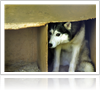
In people, post-traumatic stress disorder (PTSD) refers to a mental health condition triggered by a traumatic event. Can PTSD affect your dog?
Although canine PTSD is a relatively new concept, and one that veterinarians are still debating, many vets agree that in dogs that have experienced high levels of trauma, some exhibit symptoms that are consistent with PTSD.
Dr. Christopher Pachel, a board certified veterinarian behaviorist in Portland, Oregan says that he's definitely seen canines with clinical signs matching PTSD-like patterns. He said that he has treated dogs in his practice with behavior patterns that were similar to those reported in PTSD patients. He had direct knowledge of a specific trauma, and the dogs' reactions were more consistent with PTSD than the typical fears and anxieties seen in other patients.
The hallmark signs of PTSD in people:
- Easily frightened
- Always being on guard
- Recurrent, distressing memories of the upsetting event
- Physical reactions to something that reminds them of the event
- Avoiding activities or people that remind them of the event
Common Causes of PTSD-Like Symptoms in Dogs
Dogs are emotional creatures, and like their owners, they can be thrown into a state of extreme distress over traumatic experiences, including natural disasters, earthquakes, hurricanes, car accidents, animal abuse, and physical or emotional trauma over interactions with other animals.
Dogs have developed severe fear reactions from things like being attacked by another dog, or from being exposed to confrontational training methods that causes the dog to react fearfully when someone reaches for a collar or a leash.
Whether or not it's clinical canine PTSD, if a dog has been exposed to extreme stress, trauma, or abuse and they aren't showing signs of improvement, it's best to have the dog evaluated by a veterinarian before their condition gets worse.
They may suggest diagnostic testing, specialized training, behavior exercises, food therapy, herb therapy, or pheromone supplements to alleviate the fear and anxiety issues.